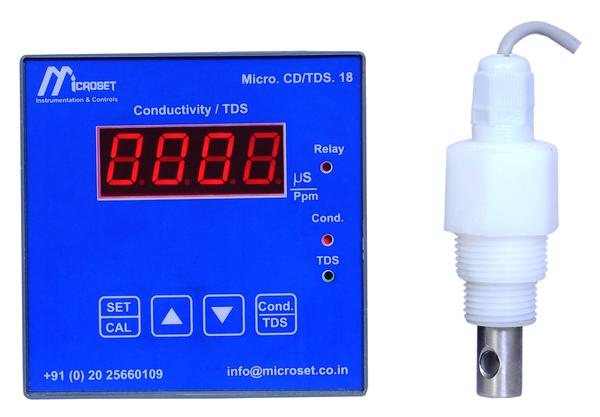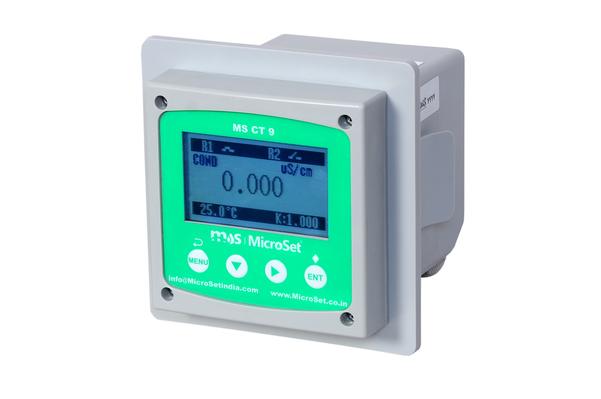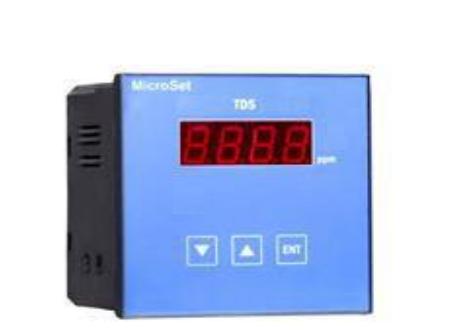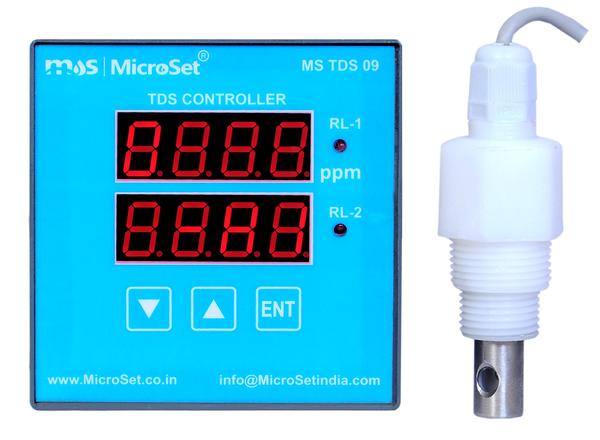
Total Dissolved solids, smaller than 2 microns, refer to any minerals, salts, metals, in the form of molecules, atoms, cations or anions dissolved in water. Total dissolved solids (TDS) comprise inorganic salts (principally calcium, magnesium, potassium, sodium, bicarbonates, chlorides and sulfates) and some small amounts of organic matter that dissolve in water. The TDS concentration is the sum of all filterable substances in water that can be determined gravimetrically. However, in most cases, TDS is primarily comprised of ions. TDS is mainly used in the studies of water quality in the natural bodies of water, including surface and ground sources. Why Measure Total Dissolved Solids? TDS in drinking water can originate from natural sources, urban run-off, municipal and industrial waste, chemicals used in treating water and the actual plumbing infrastructure. While TDS is not considered a primary pollutant, it is an indicator of water quality. The USEPA secondary water quality standard for TDS concentration is 500 mg/L to ensure drinking water palatability. High levels of dissolved solids in drinking water can affect the taste causing it to be bitter or salty. High levels of TDS can also lead to scaling and corrosion in any application but especially in boilers and cooling water.

Pune
08048046710
+919112455550
 Chat with us
 Chat with us