Mumbai
08048046807
+919112455550

'water treatment ozone analyzer'

Items tagged with 'water treatment ozone analyzer'

6814772a5d263414004dd4a4 Card 2

product image
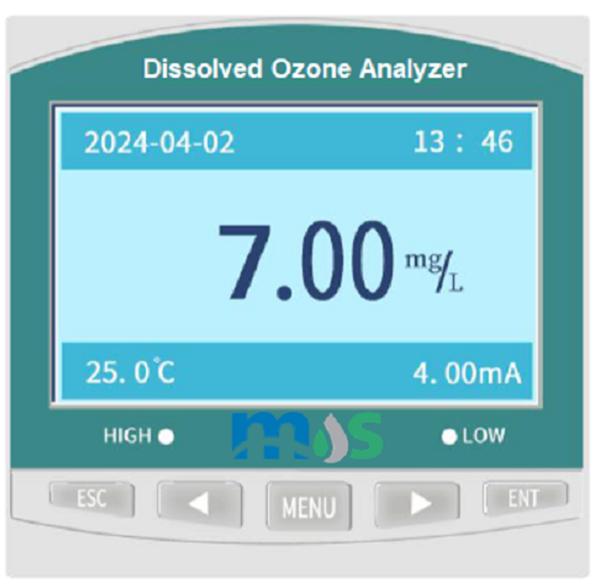
Dissolved Ozone

Online Dissolved Ozone Meter is used for continuous monitoring and controlling of ozone value in water treatment plants, canning plants, drinking water distribution networks, swimming pools, cooling and circulating water, water treatment projects, etc.
6814772a5d263414004dd4a4 Card 2

product image
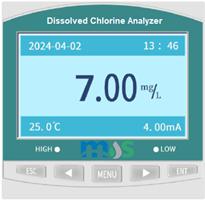
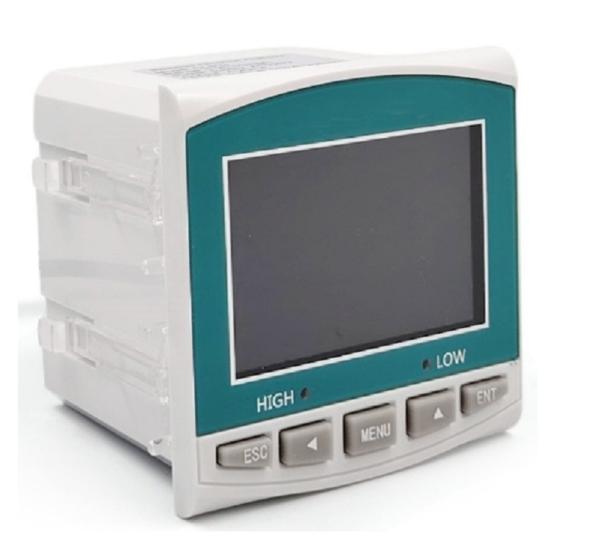
Dissolved Chlorine

Online Dissolved Ozone Meter is used for continuous monitoring and controlling of ozone value in water treatment plants, canning plants, drinking water distribution networks, swimming pools, cooling and circulating water, water treatment projects, etc

6814772a5d263414004dd4a4 Card 2

product image
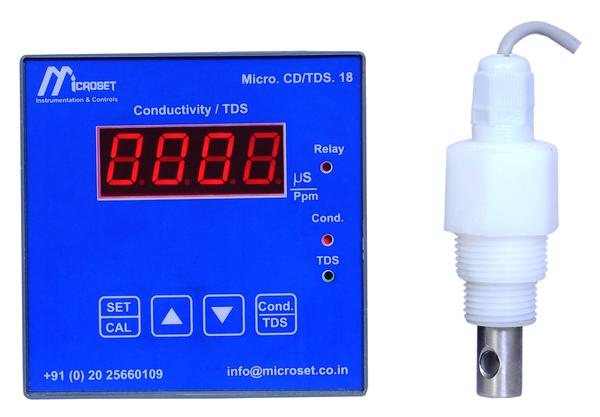
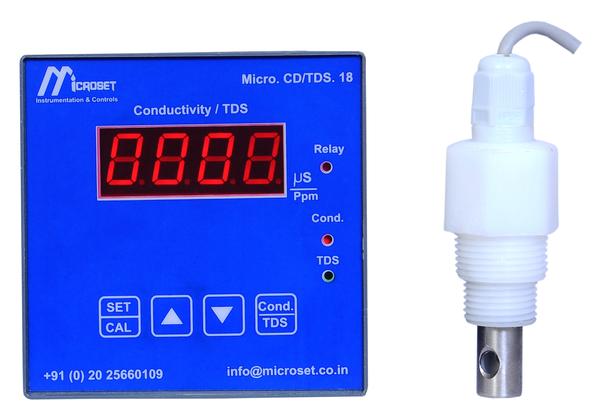
TDS

Conductivity of water allows measuring ionic constituents of all types of water including surface waters, process waters in water supply and treatment plants. PRINCIPLE Conductivity is the ability of a solution, a metal or a gas - in brief all materials to pass an electric current. In solutions the current is carried by cations and anions whereas in metals it is carried by electrons. How well a solution conducts electricity depends on a number of factors • Concentration of ions • Mobility of ions • Valence of ions • Temperature All substances possess some degree of conductivity. In aqueous solutions the level of ionic strength varies from the low conductivity of ultrapure water to the high conductivity of concentrated chemical samples. Conductivity may be measured by applying an alternating electrical current (I) to two electrodes immersed in a solution and measuring the resulting voltage (U). During this process, the cations migrate to the negative Electrode, the anions to the positive electrode and the solution acts as an electrical conductor.

6814772a5d263414004dd4a4 Card 2

product image
Dissolved Chlorine

Online Residual Dissolved Chlorine controller is widely used for the continuous monitoring and controlling of residual chlorine value in water solution, such as the automatic control of recirculating water, chlorination control in swimming pool, distribution network of drinking water, swimming pool, hospital wastewater and water treatment engineering.

6814772a5d263414004dd4a4 Card 2

product image
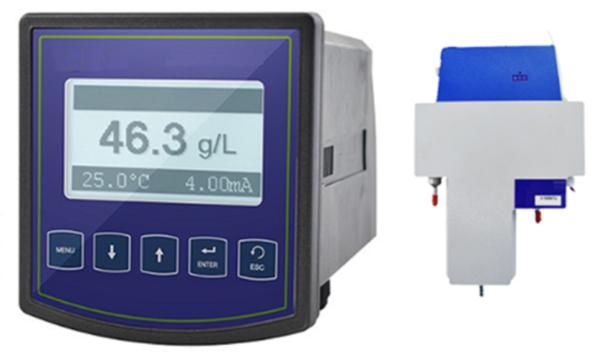
TSS

The suspended solid sensor adopts infrared light technology for measurement. The instrument analyze these data that are obtained by infrared light through the medium to the detector. It can know the exact concentration of suspended matter in the medium. It has the same accuracy and continuity when measuring low or high ranges. Besides, in order to effectively eliminate the deviation of data due to some changes of environment, so that it can be used in more environments. It is widely used in the monitoring of TSS, MLSS concentration in solution, such as Chemical, electroplating, papermaking, environmentally friendly water treatment engineering, pharmaceutical, food, tap water, etc.

6814772a5d263414004dd4a4 Card 2

product image
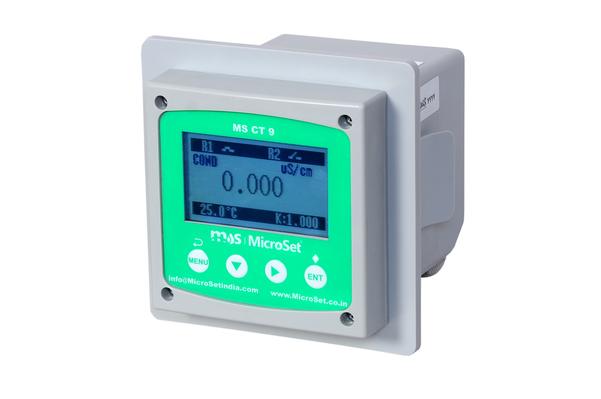
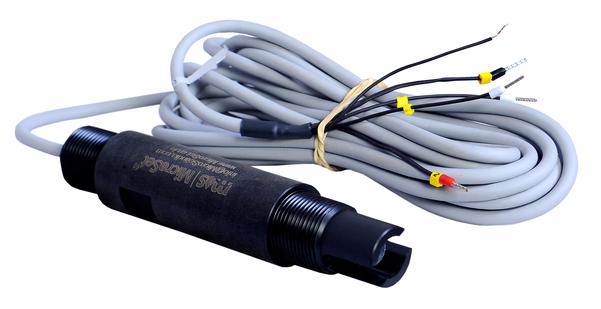
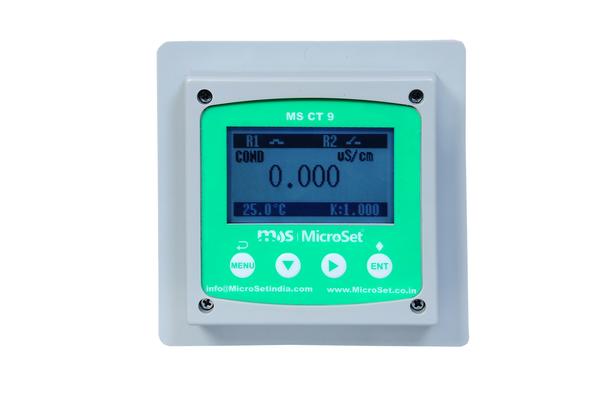
Conductivity

Conductivity of water allows measuring ionic constituents of all types of water including surface water, process water in water supply and treatment plants. PRINCIPLE Conductivity is the ability of a solution, a metal, or a gas - in brief all materials to pass an electric current. In solutions the current is carried by cations and anions whereas in metals it is carried by electrons. How well a solution conducts electricity depends on a number of factors : • Concentration of ions • Mobility of ions • Valence of ions • Temperature All substances possess some degree of conductivity. In aqueous solutions, the level of ionic strength varies from the low conductivity of ultrapure water to the high conductivity of concentrated chemical samples. Conductivity may be measured by applying an alternating electrical current (I) to two Electrodes immersed in a solution and measuring the resulting voltage (U). During this process, the cations migrate to the negative Electrode, the anions to the positive electrode and the solution acts as an electrical conductor.

6814772a5d263414004dd4a4 Card 2

product image
Conductivity

Conductivity of water allows measuring ionic constituents of all types of water including surface waters, process waters in water supply and treatment plants. PRINCIPLE Conductivity is the ability of a solution, a metal or a gas - in brief all materials to pass an electric current. In solutions the current is carried by cations and anions whereas in metals it is carried by electrons. How well a solution conducts electricity depends on a number of factors • Concentration of ions • Mobility of ions • Valence of ions • Temperature All substances possess some degree of conductivity. In aqueous solutions the level of ionic strength varies from the low conductivity of ultrapure water to the high conductivity of concentrated chemical samples. Conductivity may be measured by applying an alternating electrical current (I) to two electrodes immersed in a solution and measuring the resulting voltage (U). During this process, the cations migrate to the negative Electrode, the anions to the positive electrode and the solution acts as an electrical conductor.

6814772a5d263414004dd4a4 Card 2

product image
TDS

Conductivity of water allows measuring ionic constituents of all types of water including surface water, process water in water supply and treatment plants. PRINCIPLE Conductivity is the ability of a solution, a metal, or a gas - in brief all materials to pass an electric current. In solutions the current is carried by cations and anions whereas in metals it is carried by electrons. How well a solution conducts electricity depends on a number of factors : • Concentration of ions • Mobility of ions • Valence of ions • Temperature All substances possess some degree of conductivity. In aqueous solutions, the level of ionic strength varies from the low conductivity of ultrapure water to the high conductivity of concentrated chemical samples. Conductivity may be measured by applying an alternating electrical current (I) to two Electrodes immersed in a solution and measuring the resulting voltage (U). During this process, the cations migrate to the negative Electrode, the anions to the positive electrode and the solution acts as an electrical conductor.

6814772a5d263414004dd4a4 Card 2

product image
Dissolved Oxygen

The unique sealed membrane allows ease of use of the Dissolved Oxygen sensor without the need for spare membranes and refilling solutions whilst still guaranteeing accurate results and long life. What is Dissolved Oxygen (DO)? Dissolved oxygen is a measure of the amount of gaseous oxygen contained in water. Healthy waters that can support life must contain Dissolved Oxygen (DO). Why Monitor Dissolved Oxygen (DO)? Measuring dissolved oxygen in water and treatment to maintain proper dissolved oxygen levels are crucial functions in a variety of water treatment applications. While dissolved oxygen is necessary to support life and treatment processes, it can also be detrimental, causing oxidation that damages equipment and compromises product. Dissolved oxygen (DO) affects : • Quality – The DO concentration determines the quality of source water. Without enough DO, water turns foul and unhealthy affecting the quality of the environment, drinking water and other products. • Regulatory Compliance – To comply with regulations, wastewater often needs to have certain concentrations of DO before it can be discharged into a stream, lake, river or waterway. Healthy water that can support life must contain dissolved oxygen. • Energy Consumption Cost – Effectively monitoring DO can reduce costs by making processes more efficient. • Process Control – DO levels are critical to control biological treatment of wastewater as well as the biofiltration phase of drinking water production.

Still searching for
water treatment ozone analyzer?