
In the world of analytical chemistry and industrial processing, precision is everything. Whether you are maintaining a swimming pool or managing a multi-stage chemical reactor, the pH sensor stands as one of the most critical tools for quality control.
This guide explores the mechanics of pH measurement, its diverse applications, and why it remains a cornerstone of modern automation.
What is a pH Sensor?
A pH sensor is an analytical instrument used to measure the acidity or alkalinity of a liquid. The scale ranges from 0 to 14, where 7 is neutral. Values below 7 indicate an acidic solution, while values above 7 indicate a base (alkaline).
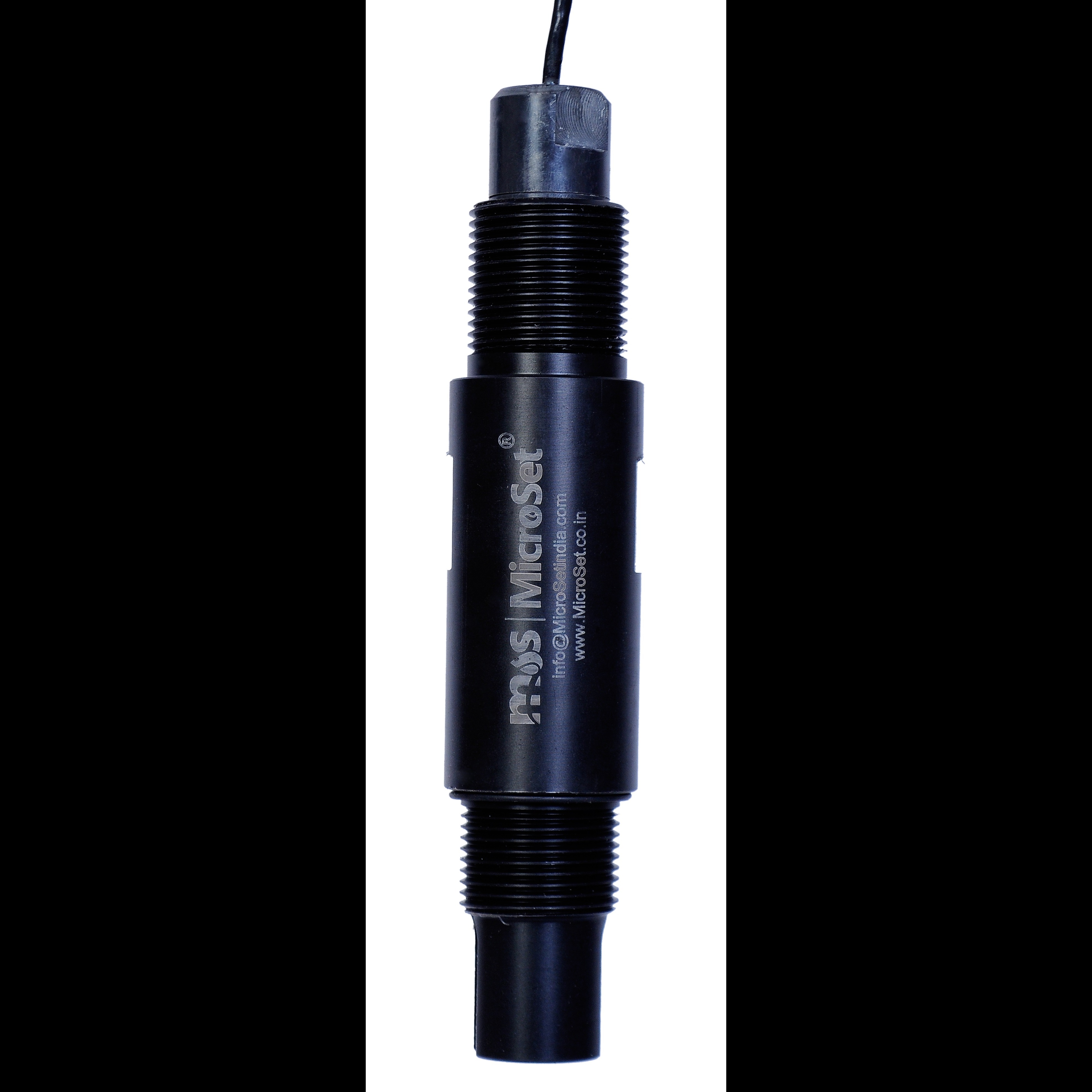
Technically, the sensor measures the hydrogen-ion activity in a solution. Most industrial pH sensors utilize a glass electrode method. When the probe is submerged, a small voltage is generated between an internal electrode and a reference electrode. This potential difference is then converted into a digital pH reading.
Core Components of a pH Measurement System
Measuring Electrode: Specifically designed to be sensitive to hydrogen ions.
Reference Electrode: Provides a stable, constant voltage for comparison.
Temperature Sensor: Since pH is temperature-dependent, high-accuracy systems use Automatic Temperature Compensation (ATC).
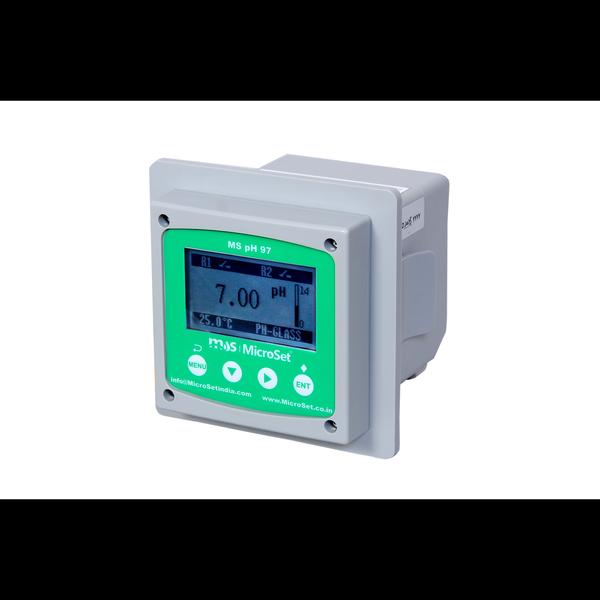
Transmitter/Analyzer: The "brain" that processes the raw signals into a readable format.
Key Applications of pH Sensors
The versatility of pH sensors makes them indispensable across a wide range of sectors. Here are the primary areas where they play a vital role:
1. Water and Wastewater Treatment
Water quality is defined by its pH. In municipal treatment plants, pH sensors ensure that water is safe for consumption and that the discharge into local ecosystems doesn't cause harm. Neutralizing acidic or basic wastewater prevents pipe corrosion and protects the microbial life used in biological treatment stages.
2. Pharmaceutical and Biotechnology
In the pharma industry, even a slight shift in pH can ruin a batch of medicine or kill a delicate cell culture. pH sensors are used in bioreactors and fermentation tanks to maintain the exact environment required for chemical synthesis and biological growth.
3. Food and Beverage Processing
pH control is a safety and flavor requirement. In dairy processing, it is used to monitor the souring of milk and the curdling process in cheese making. In the beverage industry, it ensures consistency in soft drinks, beer, and wine, where acidity affects both shelf-life and taste profile.
4. Chemical and Industrial Manufacturing
For companies involved in chemical processing, pH monitoring is essential for reaction efficiency. In processes like electroplating or the production of fertilizers, maintaining the correct pH ensures optimal yield and prevents dangerous chemical reactions.
Why pH Monitoring Matters for Industrial Efficiency
Implementing high-quality pH sensors is not just about compliance; it is about process optimization.
Waste Reduction: Accurate real-time monitoring prevents "off-spec" batches, saving thousands in raw material costs.
Equipment Longevity: Monitoring acidity helps prevent the corrosion of expensive stainless steel tanks, falling film evaporators, and heat exchangers.
Automation Integration: Modern pH sensors can be integrated into PLC systems, allowing for automated chemical dosing to maintain perfectly balanced levels 24/7.
Choosing the Right pH Sensor
When selecting a sensor for your facility, consider the environment. For high-temperature or high-pressure applications, such as those found in heavy engineering or dairy plants, a reinforced glass electrode or a non-glass digital sensor may be required to withstand harsh conditions without frequent recalibration.
Regular maintenance—including cleaning the sensing bulb and routine calibration using buffer solutions—is the best way to ensure your data remains accurate and your operations stay efficient.