Bengaluru
08048046829
+919112455550

'suspended solids water testing equipment'

Items tagged with 'suspended solids water testing equipment'

6814772a5d263414004dd4a4 Card 2

product image
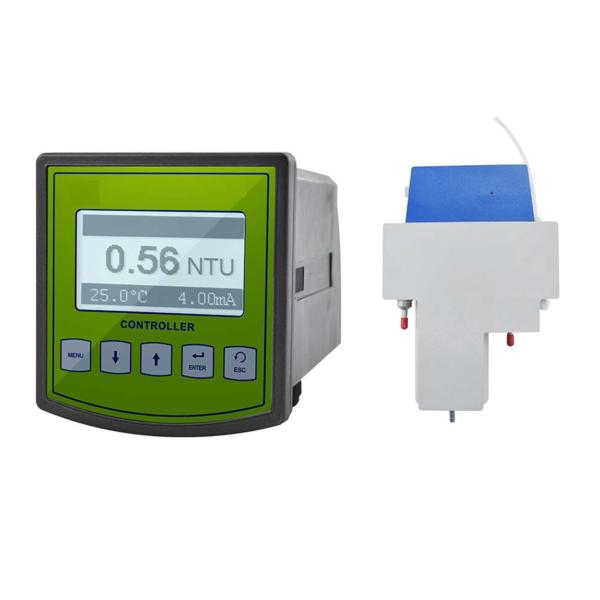
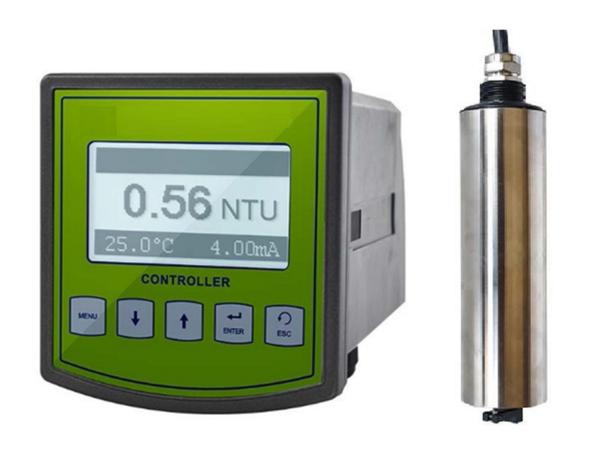
Turbidity

Turbidity is the degree of resistance that occurs when suspended solids in the water pass through light. The soil contains mud, silt, fine organic matter and other microorganisms and colloids to give turbidity in the water. After the light wave transmitted by the transmitter on the sensor is absorbed, reflected and scattered by the measured object during transmission, a part of the transmitted light can be irradiated onto the detector in the 180° direction, and a part of the scattered light is scattered to the detector in the 90° direction. The intensity of the light received on the detectors in the 180° and 90° directions is related to the turbidity of the measured sewage. Therefore, the turbidity of the sewage can be calculated by measuring the intensity of the transmitted and scattered light.

6814772a5d263414004dd4a4 Card 2

product image
Turbidity

Turbidity is the degree of resistance that occurs when suspended solids in the water pass through light. The soil contains mud, silt, fine organic matter and other microorganisms and colloids to give turbidity in the water. After the light wave transmitted by the transmitter on the sensor is absorbed, reflected and scattered by the measured object during transmission, a part of the transmitted light can be irradiated onto the detector in the 180° direction, and a part of the scattered light is scattered to the detector in the 90° direction. The intensity of the light received on the detectors in the 180° and 90° directions is related to the turbidity of the measured sewage. Therefore, the turbidity of the sewage can be calculated by measuring the intensity of the transmitted and scattered light.

6814772a5d263414004dd4a4 Card 2

product image
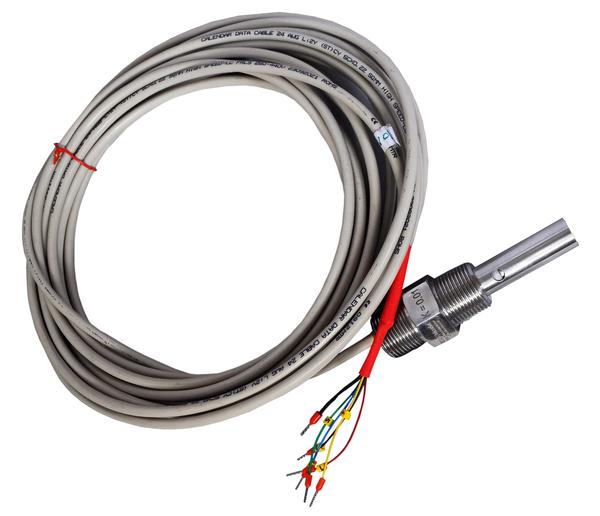
Conductivity

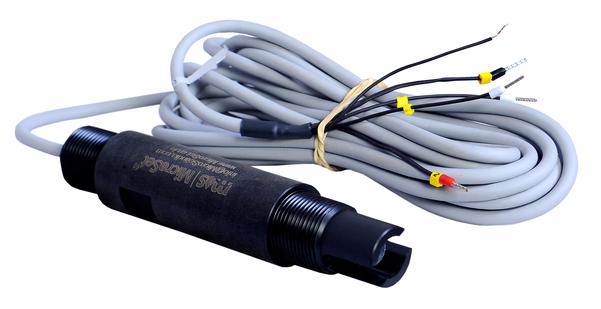
MicroSet’s Conductivity Sensors are designed for fast, easy & trouble free start up. These are ideal for measuring the concentration of dissolved solids in water. They are provided with an accurate predetermined factory calibration constant. Rugged design & corrosion resistant material keep electrode spacing & surface area constant. So cell constant remains stable for long period. Durability of material & high resistance to corrosion ensures the long life & require low maintenance.

6814772a5d263414004dd4a4 Card 2

product image
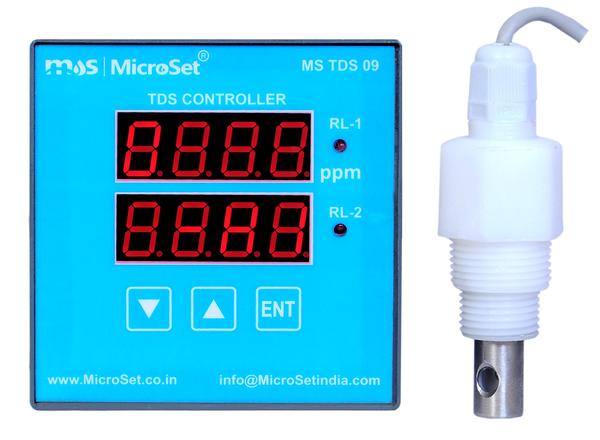
TDS

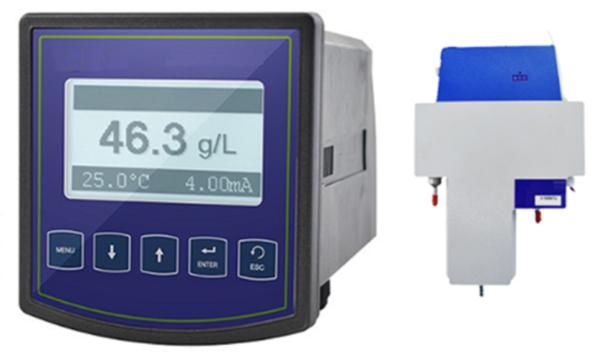
Total Dissolved solids, smaller than 2 microns, refer to any minerals, salts, metals, in the form of molecules, atoms, cations or anions dissolved in water. Total dissolved solids (TDS) comprise inorganic salts (principally calcium, magnesium, potassium, sodium, bicarbonates, chlorides and sulfates) and some small amounts of organic matter that dissolve in water. The TDS concentration is the sum of all filterable substances in water that can be determined gravimetrically. However, in most cases, TDS is primarily comprised of ions. TDS is mainly used in the studies of water quality in the natural bodies of water, including surface and ground sources. It is an Microprocessor based online measurement of specific TDS of solution using a TDS cell for R.O plant or D.M plant applications. It enables to measure the TDS without manual balancing and specific TDS is read directly on a digital panel. This is available in panel mounting facility in compact size. Why Measure Total Dissolved Solids? TDS in drinking water can originate from natural sources, urban run-off, municipal and industrial waste, chemicals used in treating water and the actual plumbing infrastructure. While TDS is not considered a primary pollutant, it is an indicator of water quality. The USEPA secondary water quality standard for TDS concentration is 500 mg/L to ensure drinking water palatability. High levels of dissolved solids in drinking water can affect the taste causing it to be bitter or salty. High levels of TDS can also lead to scaling and corrosion in any application but especially in boilers and cooling water.

6814772a5d263414004dd4a4 Card 2

product image
TDS

Total Dissolved solids, smaller than 2 microns, refer to any minerals, salts, metals, in the form of molecules, atoms, cations or anions dissolved in water. Total dissolved solids (TDS) comprise inorganic salts (principally calcium, magnesium, potassium, sodium, bicarbonates, chlorides and sulfates) and some small amounts of organic matter that dissolve in water. The TDS concentration is the sum of all filterable substances in water that can be determined gravimetrically. However, in most cases, TDS is primarily comprised of ions. TDS is mainly used in the studies of water quality in the natural bodies of water, including surface and ground sources. Why Measure Total Dissolved Solids? TDS in drinking water can originate from natural sources, urban run-off, municipal and industrial waste, chemicals used in treating water and the actual plumbing infrastructure. While TDS is not considered a primary pollutant, it is an indicator of water quality. The USEPA secondary water quality standard for TDS concentration is 500 mg/L to ensure drinking water palatability. High levels of dissolved solids in drinking water can affect the taste causing it to be bitter or salty. High levels of TDS can also lead to scaling and corrosion in any application but especially in boilers and cooling water.

6814772a5d263414004dd4a4 Card 2

product image
Dissolved Oxygen

The unique sealed membrane allows ease of use of the Dissolved Oxygen sensor without the need for spare membranes and refilling solutions whilst still guaranteeing accurate results and long life. What is Dissolved Oxygen (DO)? Dissolved oxygen is a measure of the amount of gaseous oxygen contained in water. Healthy waters that can support life must contain Dissolved Oxygen (DO). Why Monitor Dissolved Oxygen (DO)? Measuring dissolved oxygen in water and treatment to maintain proper dissolved oxygen levels are crucial functions in a variety of water treatment applications. While dissolved oxygen is necessary to support life and treatment processes, it can also be detrimental, causing oxidation that damages equipment and compromises product. Dissolved oxygen (DO) affects : • Quality – The DO concentration determines the quality of source water. Without enough DO, water turns foul and unhealthy affecting the quality of the environment, drinking water and other products. • Regulatory Compliance – To comply with regulations, wastewater often needs to have certain concentrations of DO before it can be discharged into a stream, lake, river or waterway. Healthy water that can support life must contain dissolved oxygen. • Energy Consumption Cost – Effectively monitoring DO can reduce costs by making processes more efficient. • Process Control – DO levels are critical to control biological treatment of wastewater as well as the biofiltration phase of drinking water production.

6814772a5d263414004dd4a4 Card 2

product image
TSS

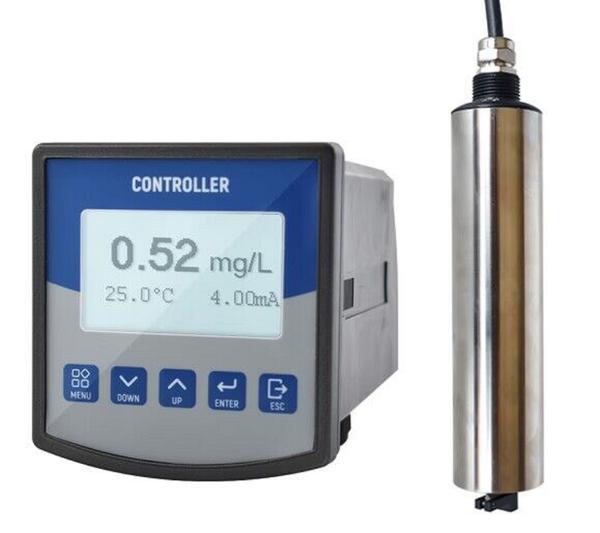
The suspended solid sensor adopts infrared light technology for measurement. The instrument Analyse these data that are obtained by infrared light through the medium to the detector. It can know the exact concentration of suspended matter in the medium. It has the same accuracy and continuity when measuring low or high ranges. Besides, in order to effectively eliminate the deviation of data due to some changes of environment, so that it can be used in more environments. It is widely used in the monitoring of SS concentration in solution, such as Chemical, electroplating, paper making, ETP/STP/ WTP, Pharmaceutical, Food, water, etc.

6814772a5d263414004dd4a4 Card 2

product image
TSS

The suspended solid sensor adopts infrared light technology for measurement. The instrument analyze these data that are obtained by infrared light through the medium to the detector. It can know the exact concentration of suspended matter in the medium. It has the same accuracy and continuity when measuring low or high ranges. Besides, in order to effectively eliminate the deviation of data due to some changes of environment, so that it can be used in more environments. It is widely used in the monitoring of TSS, MLSS concentration in solution, such as Chemical, electroplating, papermaking, environmentally friendly water treatment engineering, pharmaceutical, food, tap water, etc.

6814772a5d263414004dd4a4 Card 2

product image
pH

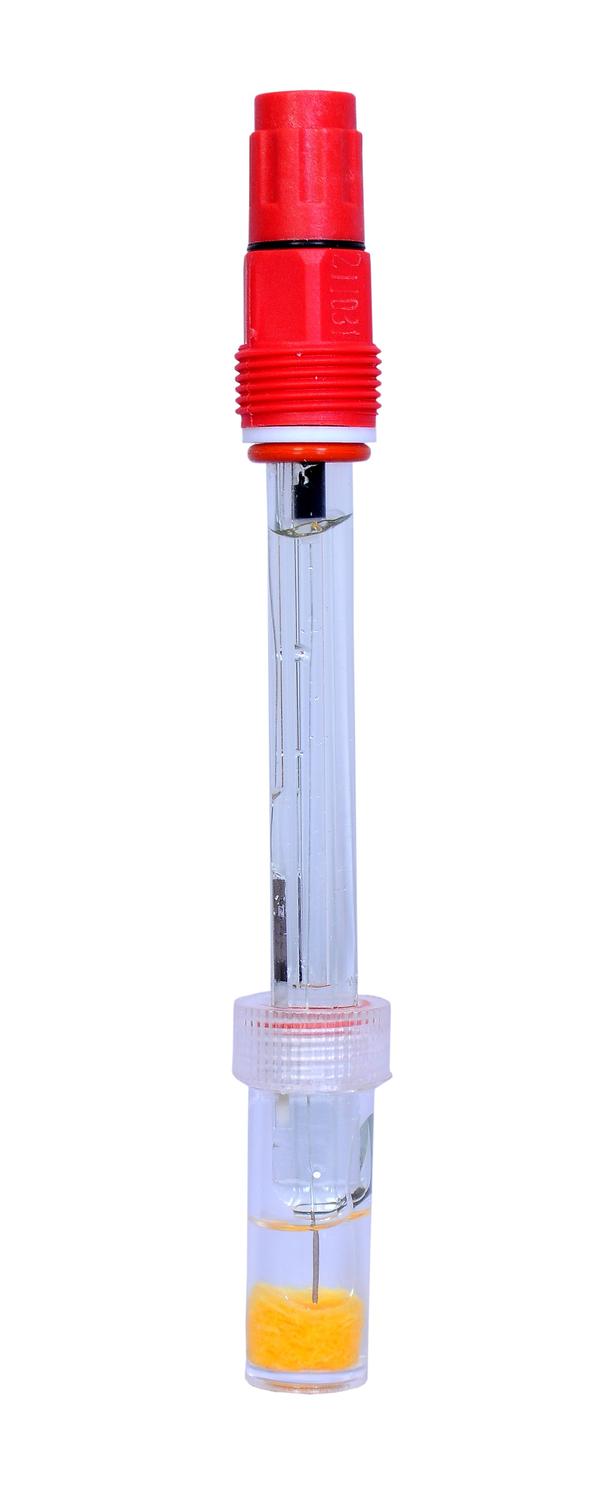
FEATURE • Sterilizable / Autoclavable • Gel electrolyte • Sterilization Temperature up to 130°C • 35 Steam Cycles - Ensures fast & accurate long life in actual process conditions • Fast, Accurate, Improved Stability, Reliable • 120, 170, 220, 270 and 320 mm Length available • Compatible with any make pH Transmitter DESCRIPTION Designed for accuracy and stability in a heat intensive application, the new MS pH 04 Ferm series pH sensors are optimized for autoclaving and steam sterilization in biotechnology applications. MS pH 04 sensors exhibit unparalleled stability after exposure to high temperature sterilization. The reference electrode uses a silver silver chloride sensor in combination with a new gelled potassium chloride electrolyte to provide a stable reference potential through the single ceramic reference junction. PRINCIPLE Why is pH Measurement required ? To check the acidic or alkaline nature of aqueous solution. pH (Potential Hydrogen) is unit of measurement, used to determine the Acidity or Alkalinity of an aqueous solution. Practical pH scale for industrial instrumentation ranges from 0 to 14 pH. The acidic substances range from 0 to 6 and on the other end are the alkaline substances, which range from 8 to 14, with pH 7 being neutral, this is the pH of pure water which is neither very acidic nor very alkaline, is said to be neutral. How is pH measured ? Although everyone is familiar with Litmus paper, the only reliable way to measure pH is using Potentiometric Combination electrodes. These electrodes develop a millivolts output corresponding to pH value of solution which is directly proportional to the Free Hydrogen ion concentration in an aqueous Solution. These generated raw mill volts are fed to MS pH 04 Ferm where it is processed by amplifier & reading is displayed on meter TECHNICAL SPECIFICATION pH Range : 0 ~ 14 pH Body : Glass Temperature Range : 0 to 130°C Operating Pressure : 6 Bar Electrolyte : Gel Reference Junction : Single Ceramic Junction Sterilization temperature : 130°C Shaft Length below Threads : 120 mm (Other Lengths on request at Extra Cost) Shaft Diameter : 12 mm Electrical Connection : S8 Process Connection : PG 13.5

Still searching for
suspended solids water testing equipment?