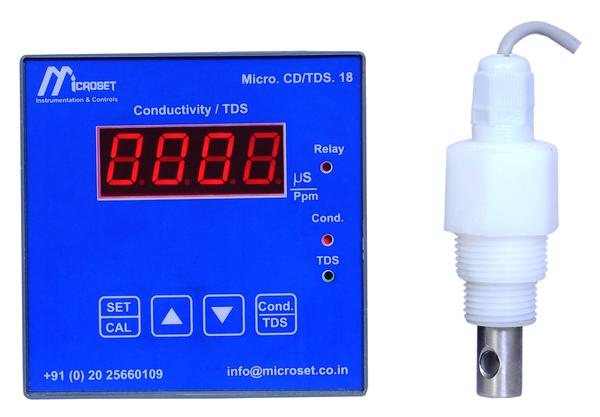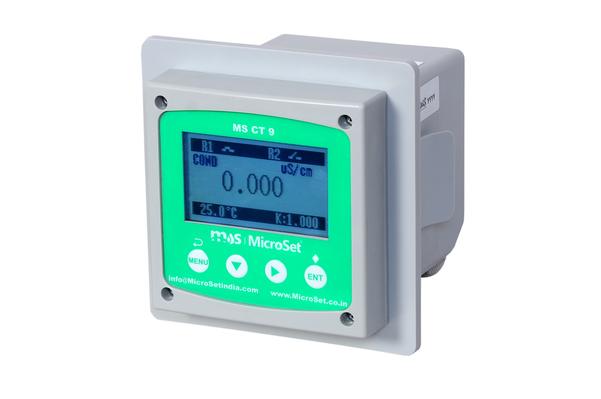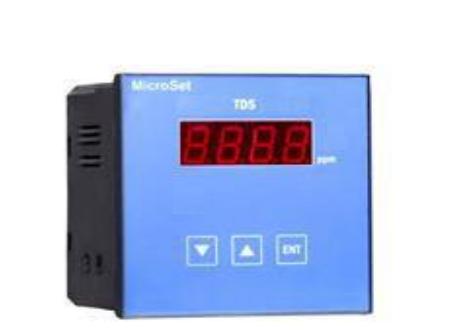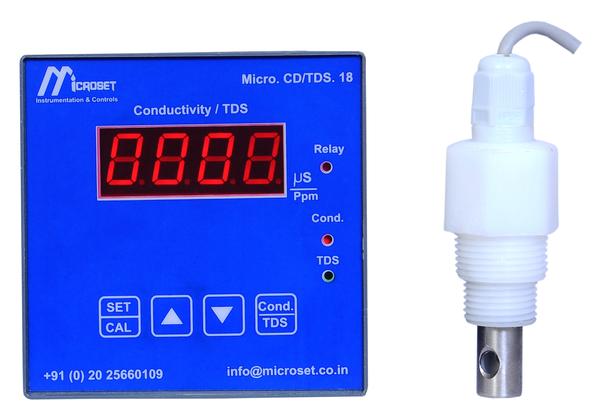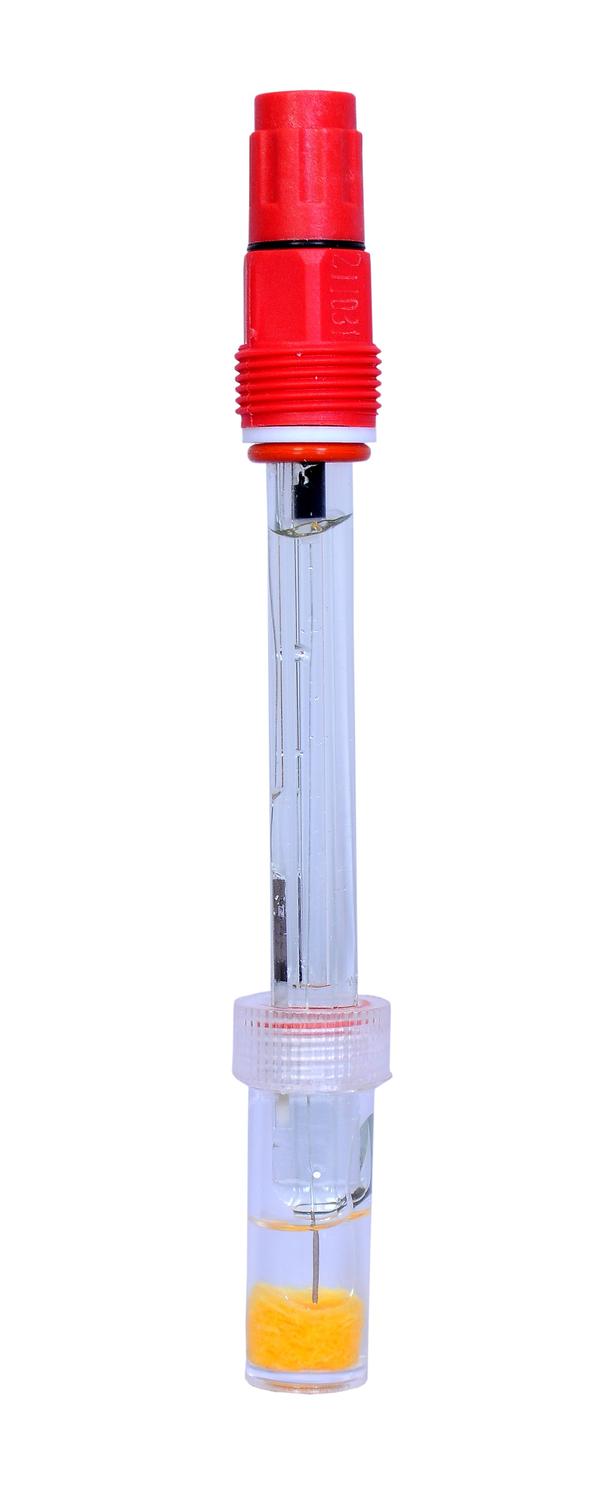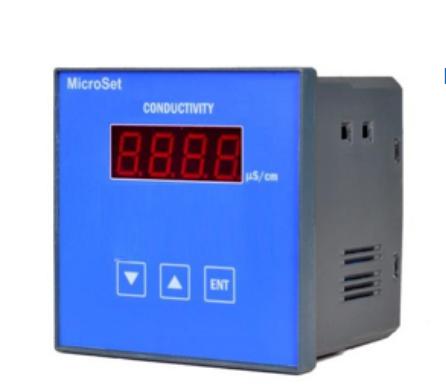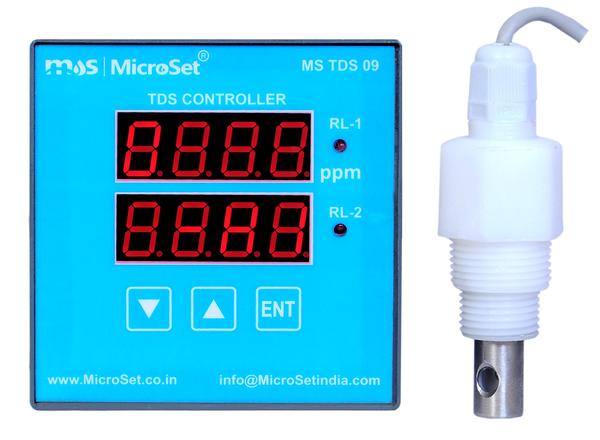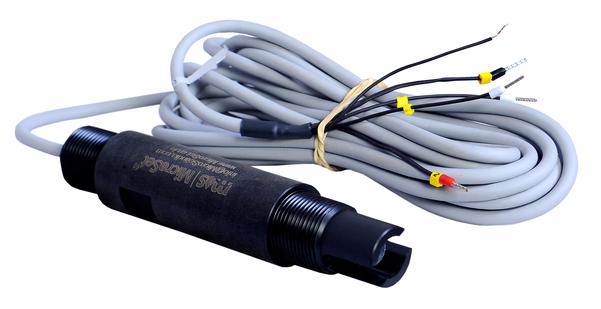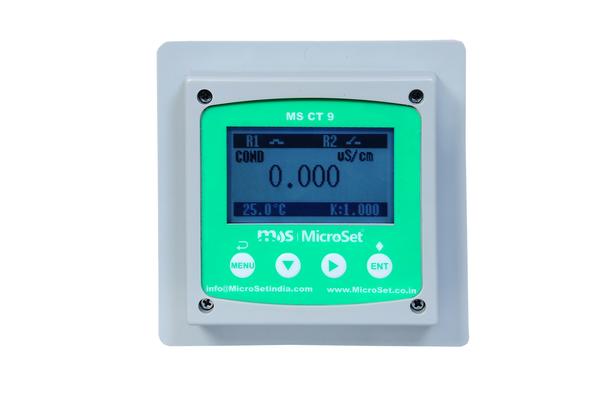
Conductivity of water allows measuring ionic constituents of all types of water including surface waters, process waters in water supply and treatment plants. PRINCIPLE Conductivity is the ability of a solution, a metal or a gas - in brief all materials to pass an electric current. In solutions the current is carried by cations and anions whereas in metals it is carried by electrons. How well a solution conducts electricity depends on a number of factors • Concentration of ions • Mobility of ions • Valence of ions • Temperature All substances possess some degree of conductivity. In aqueous solutions the level of ionic strength varies from the low conductivity of ultrapure water to the high conductivity of concentrated chemical samples. Conductivity may be measured by applying an alternating electrical current (I) to two electrodes immersed in a solution and measuring the resulting voltage (U). During this process, the cations migrate to the negative Electrode, the anions to the positive electrode and the solution acts as an electrical conductor.

Bengaluru
08048046829
+919112455550
 Chat with us
 Chat with us